Olive Oil: Spanish gold
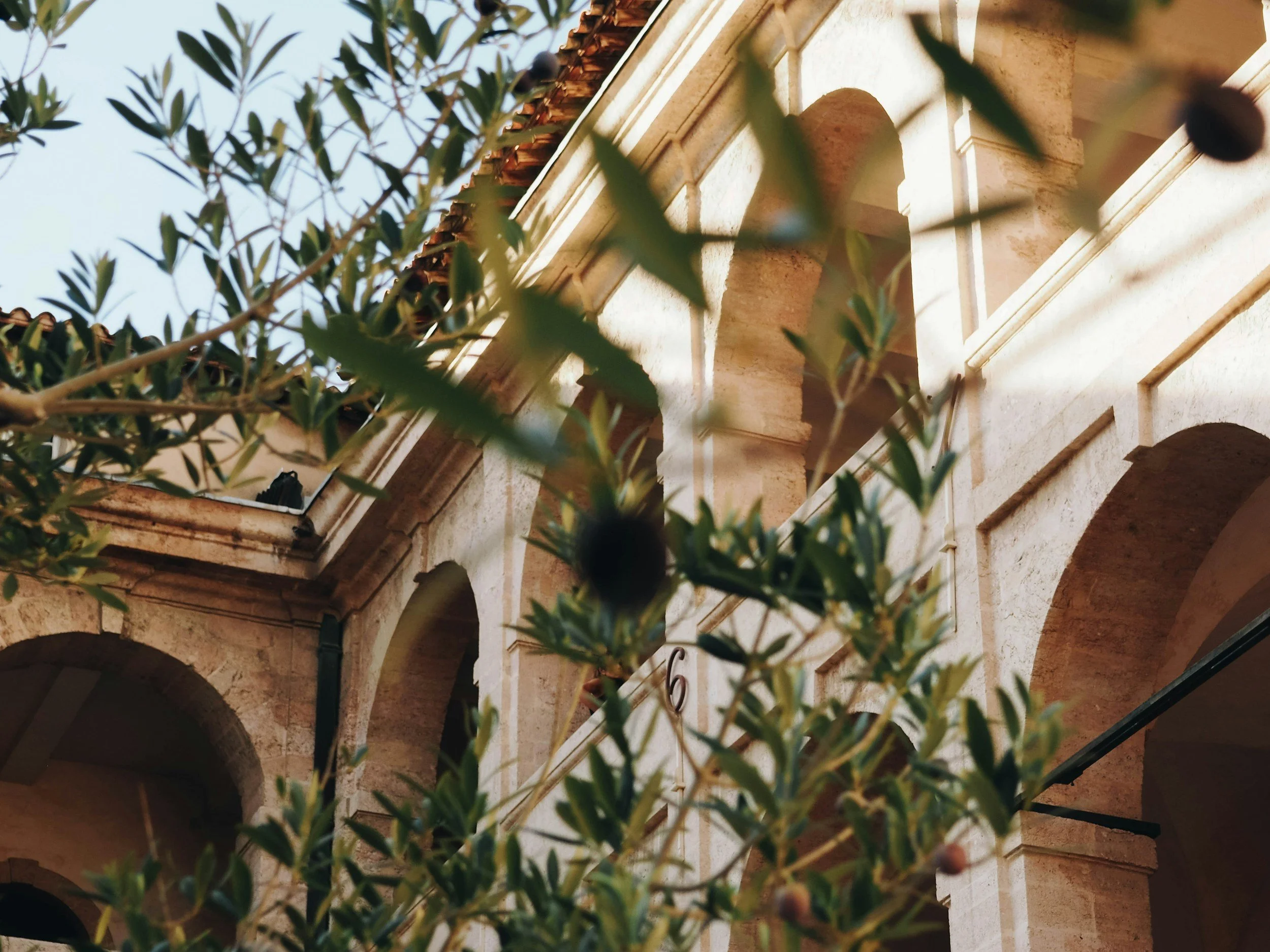
There can be few trees that define Spain as clearly as the olive tree (olivo) .
Gnarly, sturdy, able to withstand the heat.
Growing in the oddest of places.
Outliving many humans.
And from it, the olive (la aceituna, or, less usually, la oliva) , which in turn delivers olive oil (aceite de oliva).
Olives have been cultivated in Spain for at least five thousand years, with the olive forming a key part of Mediterranean culture for years.
They flourish in hot, dry climates, which Spain has no problems delivering.
Harvesting the olives depends on the scale of production.
Many people grow their own, pick by hand, and take them to a local almazara (oil press) where their quality and oiliness is measured and the almazara will give them an amount of oil in accordance. The olives are taken off through a production line, where nothing is wasted.
While the oil is squeezed out, the pulp, pumace and pips are used in products (like soaps), as animal feed and as fertiliser.
Bigger enterprises may grow and press their own olives, with mile upon mile of olive groves, often mechanically harvested. These olives are often a specific type, arbequina, chosen for the relatively uniform size of the trees, fairly low to the ground, making mechanical harvesting easy. Arbequina olives also have one of the highest concentrations of oil.
Fact file:
Around 400.000 people grow olives in Spain;
There are around 2.4 million hectares of olive groves in Spain;
Andalucia is the biggest olive growing region, with around 5.000 hectares of intensely farmed olive grove: when production in Jaén falls, global olive oil prices spike; when Jaén has a rich crop, they fall;
Spain accounts for 45% of World olive oil production, and around 68% of international olive oil trade;
1.852 almazaras are registered in Spain 1.700 packaging plants, 67 pumice extractors and 22 olive oil refineries;
Last year, 2025, 2025/26 en España, the Ministerio de Agricultura, Pesca y Alimentación reported that 1.37 million tons of olive oil left Spain last year;
Types of Olive Oil
Virgin: extra, virgen or ‘lampante’/refined oil
Virgin and extra virgin olive oil are good, high quality olive oils that earn a premium price on the supermarket shelves.
Lampante is the ‘raw’ olive oil that doesn’t meet the quality standards of virgin or extra virgin olive oil. It has a more acidic nature and different fat composition, usually a result of over-ripening. It’s unfit for human consumption and won’t appear on supermarket shelves until it’s further processed (neutralised, decolourised, deodorised and over-wintered). It will then often be blended with better quality virgin oils and appear as ‘refined’ olive oil.
Non-Virgin oil
Non virgin oil includes refined olive oils and crude olive pomace/pumace oil.
Pomace/pumace oil is the pulp that’s left after the olives have been crushed to extract their juice. Pomace oil is created by further extraction processes. This often uses industrial solvents or centrifuges, and the oil is then refined until it’s safe and neutral tasting. It’s cheap, and lacks the flavour and many of the antioxidant properties of extra virgin oil.
It should be, but often isn’t, labelled ‘olive pomace oil’ under International Olive Council standards. Some chefs prefer it because it doesn’t have the ‘bite’ in taste that virgin olive oils have, whilst still cooking at a higher temperature than other vegetable oils like sunflower, making frying efficient,tasty and predictable. It is also a useful base for marinades or salad dressings where other, stronger ingredients provide the flavour (such as garlic, lemon, or herbs) .
Olive Oil Exports
Spain is the World centre of global olive oil.
Much of the produced olive oil stays in Spain (1.44 million tons annually), but Spain is still one of the largest exporters of olive oil, with the majority (a third) going to the US, and around 10% each to the UK and Brazil.
¡Olé!
So that’s the background to why the olive is so important.
But there’s loads more to talk about.
Why does the olive from the tree taste so bitter?
How do I know if an olive oil is a good one?
What’s the difference between types of olive?
There is so much more to olives than a bitter little green ball that grows on a gnarly tree - it’s deeply embedded in Spanish culture, so much so that it’s barely noticeable but always there.
We’ll have some fun online talking about all things olive related, including how to pickle your own, in our October 2026 online conversation class, which will be more about the Spanish language than about the technicalities and commerce around olive oils, with a few games thrown in to keep the conversation flowing.